
Some 715 political prisoners in Turkey have joined a hunger strike to express their solidarity with the Kurdish cause. The situation drew the attention of Justice Minister Sadullah Ergin, who addressed the hunger strikers held in Sincan, a high-security prison in Ankara. He appealed to the detainees – by that point more than 40 days without food – to end their protest for the sake of their bodies, their health and their families. This overview examines the large-scale protest action in greater detail, along with the authorities’ response and the underlying nature of the conflict.
The Core Demands of the Hunger Strikers
Kurdish participants in the hunger strike have set out three conditions that must be met before the protest will end:
- The release of imprisoned Kurdish rebel leader Abdullah Öcalan.
- The right to receive education in the Kurdish language.
- The use of the Kurdish language in Turkish courts.
The Kurdistan Workers’ Party (PKK) has been seeking self-governance for the Kurdish people for over 30 years. Kurds account for roughly one fifth of Turkey’s population, and the conflict has cost the PKK close to 40,000 lives.
Both the United States and Turkey regard the PKK as a terrorist organisation, primarily on account of its use of armed guerrilla tactics. Fighting in south-eastern Turkey has intensified, with clashes between PKK militants, Turkish forces and civilians in the region resulting in a record number of casualties.

Hunger Strikes in Turkey
Hunger strikes as a form of protest are not uncommon in Turkey and have been a recurring feature since the 2000s. Over the course of more than a decade since that time, over 100 prisoners have died as a result. Turkey has consequently faced condemnation from human rights bodies, with criticism directed at the Turkish parliament over allegations of torture and mistreatment of inmates in its prisons.
According to representatives of the Turkish Human Rights Association, the strike spread rapidly across 48 prisons throughout the country. Outside a women’s prison in Istanbul, around 300 protesters gathered independently to hold a demonstration in support of the hunger strikers. Turkish security forces were compelled to disperse the crowd using tear gas.
The Kurdish Question: The Nature of the Conflict
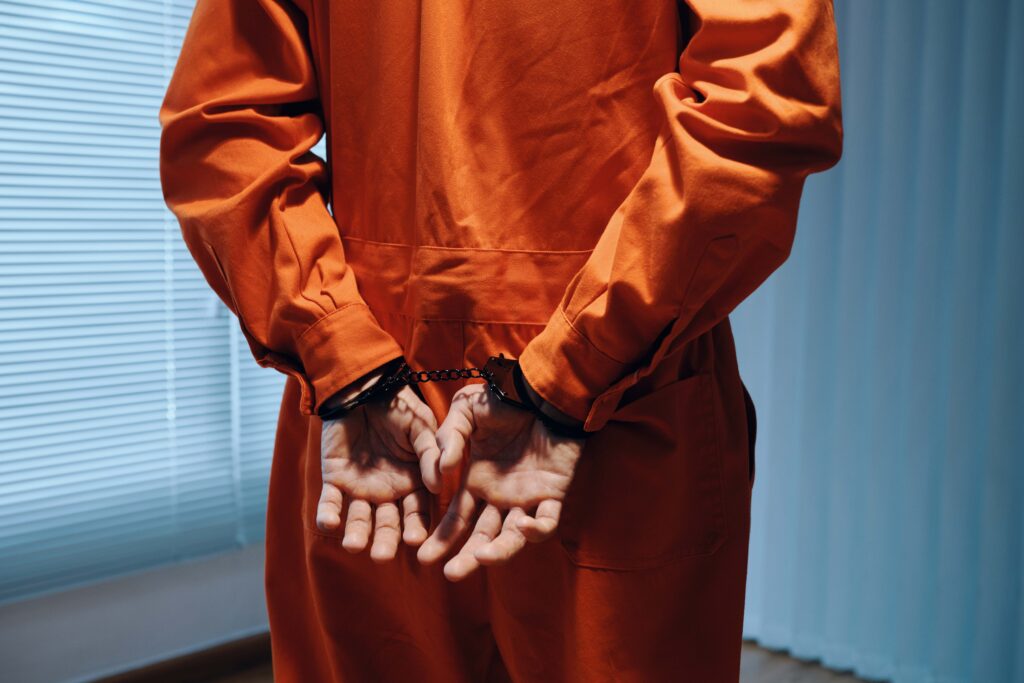
The Kurdish question ranks among the most significant, sensitive and protracted issues within Turkey. Kurds constitute a substantial ethnic minority in the country and have spent decades pressing for an expansion of their rights – cultural and linguistic – alongside a greater degree of political autonomy.
Ankara officially views part of the Kurdish movement through the lens of national security, particularly given the ongoing conflict with the PKK, which has been engaged in armed struggle against the Turkish state since the 1980s. This has kept the Kurdish issue heavily politicised within Turkey for a considerable period.
As a result, any protest activity or organised demonstration touching on Kurdish matters tends to be met with a sharp reaction from the Turkish authorities, and such actions frequently give rise to tension between the state, human rights defenders and sections of civil society.
The Risk of a Humanitarian Crisis in Prisons
Prolonged hunger strikes are among the most dangerous forms of protest, as participants begin to experience serious health deterioration within a matter of weeks.
When a protest of this scale involves more than a hundred people and a significant number refuse food over an extended period, the risk of widespread serious medical cases is considerable. Prisons face acute pressure on their medical services, and the question of force-feeding remains deeply contentious from a human rights standpoint.